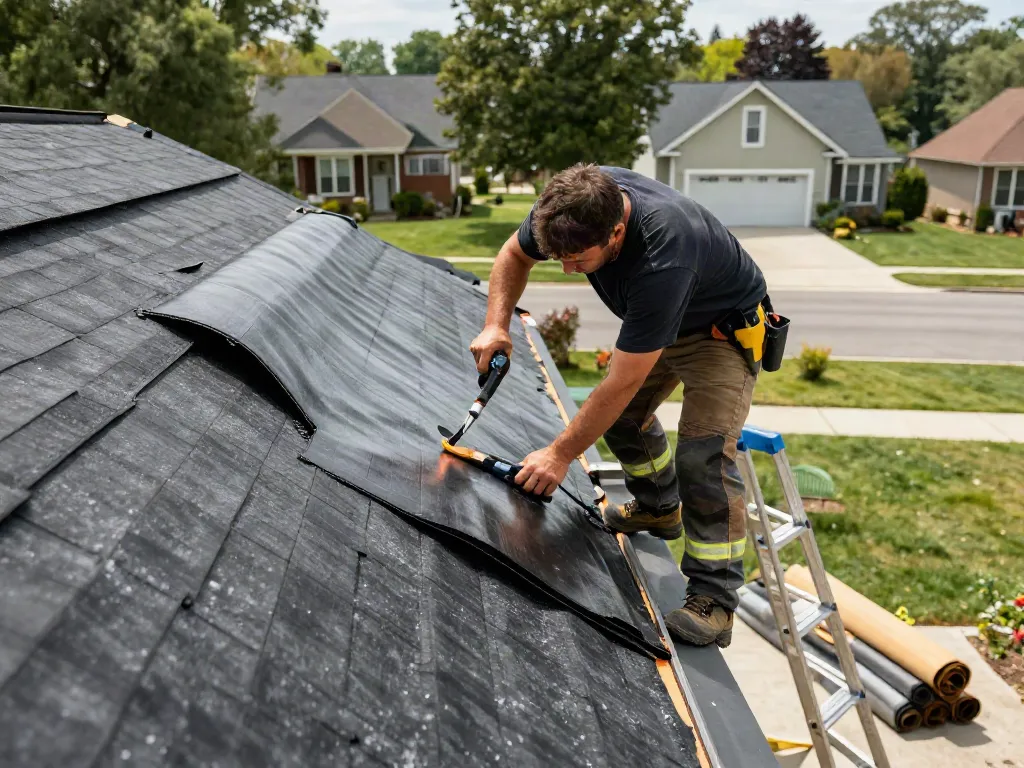
Understanding Felt Roof Replacement
Felt roofing is a popular choice for many homeowners and commercial buildings due to its versatility and cost-effectiveness. As flat roofs age, they often experience wear and tear, leading to issues such as leaks, blisters, and general deterioration. When this occurs, a felt roof replacement becomes essential to maintain the integrity of the structure and prevent further damage. Understanding the intricacies of felt roof systems helps in making informed decisions regarding repairs and replacements. For thorough guidance on felt roof replacement, this article will explore the various aspects of felt roofing, from its importance to choosing the right materials.
What is Felt Roofing?
Felt roofing involves using layers of felt material, usually made from bitumen, to create a waterproof covering for flat roofs. It's a preferred option for garages, extensions, and terraces due to its durability and relatively simple installation process. The installation typically includes using multiple layers of felt, bonded together with adhesives or using a torch-on method that melts the bitumen for a secure seal. Modern felt systems have evolved from traditional single-layer applications to multi-layered solutions that enhance waterproofing and thermal performance.
Common Reasons for Replacement
Several factors contribute to the need for felt roof replacement. The most prevalent reasons include:
- Age: Over time, even the best-installed felt roofs can degrade, usually after 15-20 years.
- Weather Damage: Severe weather conditions, such as heavy rain or strong winds, can cause leaks or damage to the roofing material.
- Improper Installation: Poor workmanship during installation can lead to issues that necessitate a replacement sooner than expected.
- Structural Changes: Modifications to the building structure can affect the roof, making it necessary to replace the roofing system.
The Importance of Professional Installation
While DIY replacement may seem cost-effective, hiring a professional ensures that the job is done correctly. Professional roofers are experienced in handling potential issues that arise during installation and can recommend the best materials suited for your specific environment. Their expertise minimizes the chances of premature failure, ensuring that your investment lasts longer.
Evaluating Your Current Roof Condition
Understanding the condition of your current roof is critical before deciding on replacement or repair. Spotting early signs of damage can save you from costly repairs later. Inspecting your roof helps in determining whether a complete replacement is necessary or if localized repairs would suffice.
Signs You Need a Replacement
Look out for these signs indicating a need for felt roof replacement:
- Water Stains: Dark patches or stains on interior ceilings can indicate roof leaks.
- Blistering or Bubbling: This indicates trapped moisture beneath the felt, which can lead to further deterioration.
- Cracks or Tears: Visible damage on the roof surface can allow water to penetrate, leading to further issues.
- Ponding Water: Standing water on flat roofs is a clear sign that drainage is inadequate and that a replacement may be needed.
DIY vs Professional Assessment
While some homeowners may attempt to assess their roofs themselves, a professional evaluation can provide a more accurate diagnosis. Experts have the skills to inspect hidden areas and can determine if repairs will suffice or if a full replacement is necessary. Additionally, they can help you understand the extent of any damage and provide options tailored to your needs.
Common Misconceptions About Felt Roofing
Many believe that felt roofs are inferior compared to pitched roofing. However, modern felt roofing systems can provide reliable protection when installed correctly. Another misconception is that felt roofs require frequent maintenance; in reality, they can last for decades with proper care and attentiveness to early signs of wear.
Choosing the Right Materials for Replacement
When replacing a felt roof, selecting the right materials is crucial for ensuring longevity and performance. Modern felt roofing systems offer various options tailored to different needs and budgets. Understanding these options aids in making informed decisions for your project.
Modern Felt Roofing Systems Explained
Modern felt roofing typically uses high-performance materials designed for durability and energy efficiency. Common systems include:
- Torch-On Felt: This method creates a seamless finish that is highly effective against leaks.
- Cold-Applied Felt: An adhesive-based system that is ideal for roofs with limited accessibility.
- Fibreglass Systems: These can provide additional insulation and are often more durable than traditional felt.
Comparing Felt Options: Advantages and Disadvantages
Each type of felt roofing system has its own set of benefits and drawbacks that should be considered:
- Torch-On Felt:
- Cold-Applied Felt:
- Fibreglass Systems:
Cost Considerations for Different Materials
Cost is always a significant factor in roofing projects. Prices can vary widely depending on the materials selected and the complexity of the installation. While traditional felt roofing may be the most economical, investing in a high-quality system can save money in the long run due to reduced maintenance and increased lifespan.
Finding Trusted Local Roofers
Locating reliable roofers is crucial for ensuring the successful execution of your felt roofing project. Researching and vetting potential contractors can prevent future headaches and ensure quality workmanship.
Evaluating Contractor Credentials
When searching for local roofers, consider evaluating their credentials, including licensing, insurance coverage, and experience. It’s essential that the contractors are familiar with the specific requirements related to felt roofing and demonstrate a history of successful installations.
Insurance and References: What to Look For
Always request proof of insurance and references from past clients. A reputable contractor should be willing to provide this information. Checking these references can help you gauge the quality of their work and the reliability of their services.
Requesting and Comparing Quotes Effectively
Obtaining multiple quotes allows you to compare pricing, services offered, and timelines effectively. Ensure that each quote is detailed and outlines exactly what work will be performed, the materials to be used, and any warranties or guarantees offered.
Maintaining Your New Felt Roof
Once your new felt roof is installed, maintaining it is vital for maximizing its lifespan and performance. Regular care ensures that potential issues are identified and rectified early, preserving the integrity of your roofing system.
Regular Maintenance Practices
Establishing a routine maintenance schedule can help in keeping your felt roof in optimal condition. Regular inspections should include checking for debris, examining the seams, and ensuring proper drainage.
Identifying Early Warning Signs of Wear
Stay vigilant for signs of wear, such as discoloration, sagging, or tears. Addressing these problems promptly can prevent expensive repairs down the line.
Ensuring Longevity Through Proper Care
Maintaining your roof's cleanliness and ensuring that gutters and downspouts are free of blockages can significantly extend its life. Additionally, watching for potential leaks or issues after heavy rains is essential for preserving your investment.
What is the life expectancy of a felt roof?
On average, a well-installed felt roof can last between 15 to 20 years, depending on the materials used and environmental factors. Regular maintenance can help in achieving the maximum lifespan of the roofing system.
Can I refelt a roof myself?
While DIY refelting is possible, it’s recommended to hire professionals for the best results. Skilled roofers understand the nuances of roofing systems and can ensure that the job is performed according to safety standards and manufacturer specifications.
Should you remove old felt when replacing a roof?
In most cases, it's advisable to remove the old felt layer to prevent moisture from getting trapped, which can lead to structural issues later on.
Can you put new felt on top of old felt?
While it is technically possible to apply new felt over old layers, this method may not provide the best results. Ideally, stripping the old material ensures a proper seal and reduces the risk of future problems.