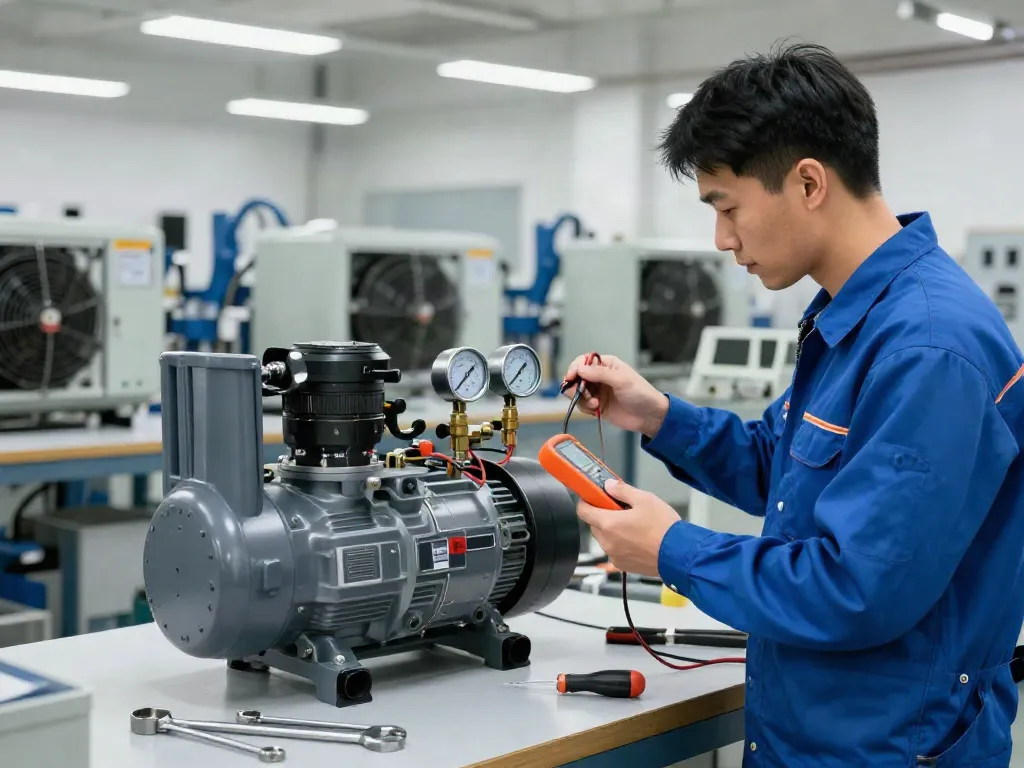
Understanding Water Pump Pressure Switch Functionality
The water pump pressure switch is a vital component in various pumping systems, ensuring reliable performance and optimal pressure management. By automatically starting and stopping the pump based on predefined pressure levels, these switches help maintain the necessary water pressure for both industrial and domestic applications. When exploring options, water pump pressure switch models come equipped with features that provide stability and efficiency. Understanding how these devices function is essential for selecting the right switch for your specific needs.
What is a Water Pump Pressure Switch?
A water pump pressure switch is an electromechanical device that controls the operation of a pump by monitoring the pressure within a system. It operates by using a diaphragm that senses changes in pressure, activating a switch that either starts or stops the pump based on preset thresholds, known as cut-in and cut-out pressures. These settings can often be adjusted to cater to different requirements, making them versatile for various applications including residential, commercial, and agricultural settings.
Importance of Pressure Control in Pump Systems
Effective pressure control is critical for ensuring that water systems operate efficiently. Overpressure can lead to equipment damage, while underpressure can result in inadequate water supply. The pressure switch plays a crucial role in achieving a balance, preventing both scenarios by ensuring that the pump is activated at the right time and deactivated when the desired pressure is reached. This not only protects the pump from undue stress but also conserves energy.
Common Types of Water Pump Pressure Switches
- Standard Pressure Switches: These are set to activate and deactivate the pump at fixed pressure levels, ideal for most residential applications.
- Adjustable Pressure Switches: These allow users to customize the cut-in and cut-out pressures, providing flexibility for specific requirements.
- Heavy-Duty Pressure Switches: Designed for industrial applications, these switches handle higher pressure ranges and more demanding operational conditions.
- Smart Pressure Switches: Incorporating digital technology, these switches offer advanced features such as remote monitoring and notifications, enhancing system management.
Applications of Water Pump Pressure Switches
Industrial Uses and Benefits
In industrial settings, water pump pressure switches are essential for managing high-capacity pumping systems. They ensure that large water distribution networks, cooling systems, and manufacturing processes maintain the necessary pressure levels. This reliability not only enhances operational efficiency but also reduces maintenance costs through fewer equipment failures.
Residential Water Systems Management
For residential applications, water pump pressure switches help maintain proper water pressure in households. These devices are commonly found in well water systems, ensuring that households receive a consistent water supply for daily activities such as washing, cooking, and irrigation. Additionally, they can improve water conservation by preventing over-pumping, which may strain local water resources.
Agricultural Applications: Water Supply Solutions
Agriculture heavily relies on effective water supply systems to support irrigation. Water pump pressure switches provide critical functionality by ensuring that water levels in irrigation systems remain consistent, helping crops receive adequate water without wasting resources. Moreover, they prevent dry running of pumps, protecting them from significant damage and extending their lifespan.
Choosing the Right Water Pump Pressure Switch
Key Specifications to Consider
When selecting a water pump pressure switch, several specifications should be evaluated:
- Pressure Range: Ensure the switch can handle the required pressure levels of your system.
- Electrical Ratings: Check the voltage and current ratings to match your pump’s requirements.
- Durability: Look for switches constructed with high-quality materials to withstand environmental conditions.
Compatibility with Existing Systems
Compatibility is crucial when integrating a new pressure switch into an existing system. Review the design and specifications of the current setup to ensure that the new switch can be installed without requiring extensive system modifications. Furthermore, consider whether it can work with various types of pumps to guarantee you have a flexible solution.
Evaluating Quality and Reliability
Quality and reliability should be a top priority when choosing a water pump pressure switch. High-quality switches are designed to withstand millions of cycles and operate effectively in demanding environments, reducing the likelihood of failure and ensuring system longevity. Look for switches backed by warranties and strong customer reviews as indicators of quality.
Best Practices for Installation and Maintenance
Step-by-Step Installation Guide
Installing a water pump pressure switch generally involves the following steps:
- Disconnect the power supply to the pump for safety.
- Locate the existing switch and remove it, taking note of the wiring connections.
- Install the new pressure switch to the pump or piping system, ensuring that it is securely fastened.
- Reconnect the electrical wires according to the manufacturer’s specifications.
- Restore power to the pump and test the functionality of the new switch.
Common Mistakes to Avoid
Avoiding common mistakes during installation can save you time and frustration:
- Not verifying compatibility with existing systems.
- Improperly setting cut-in and cut-out pressures.
- Neglecting to secure all connections properly, leading to leaks or failures.
Routine Maintenance Tips for Longevity
Regular maintenance is key to extending the life of your water pump pressure switch:
- Inspect frequently: Check the switch and surrounding components for signs of wear or damage.
- Test functionality: Periodically ensure that the switch activates and deactivates at the correct pressure levels.
- Clean the area: Keep the installation site free from debris that could impact operation.
Future Trends in Water Pump Pressure Switch Technology
Innovative Features Emerging in 2026
Technology in the realm of water pump pressure switches is advancing rapidly. By 2026, we can expect to see features such as smart connectivity allowing for remote monitoring and control, enhanced diagnostics for predictive maintenance, and integration with IoT systems enabling better data analysis for system performance.
Impact of Smart Technology on Pressure Control
Smart technology will likely revolutionize pressure control systems, providing real-time insights and automated adjustments that enhance energy efficiency and system longevity. These innovations can lead to significant cost savings and a more sustainable approach to water management.
Market Predictions for Water Pump Pressure Switches
The market for water pump pressure switches is projected to grow as industries continue to invest in automation and efficiency. The increasing demand for reliable water management in agriculture and residential sectors will also drive growth, making high-quality pressure switches essential for modern applications.
How to tell if a water pump pressure switch is bad?
Signs of a failing water pump pressure switch may include erratic water pressure, frequent cycling of the pump, or failure to start or stop as required. Regular monitoring can help detect these issues early.
What are the common adjustment settings for water pump pressure switches?
Common settings include 30/50 PSI or 40/60 PSI. These values dictate when the pump will turn on (cut-in pressure) and off (cut-out pressure).
How do I reset a water pump pressure switch?
Resetting typically involves turning off the power and adjusting the pressure settings according to the user manual, then restoring power to test functionality.
What factors contribute to the failure of pressure switches?
Factors include electrical surges, improper pressure settings, and environmental conditions that lead to wear and tear over time.
Do I need a dual pressure setting for my water pump system?
A dual pressure setting can help accommodate varying water demand levels, making it suitable for systems with fluctuating usage patterns.