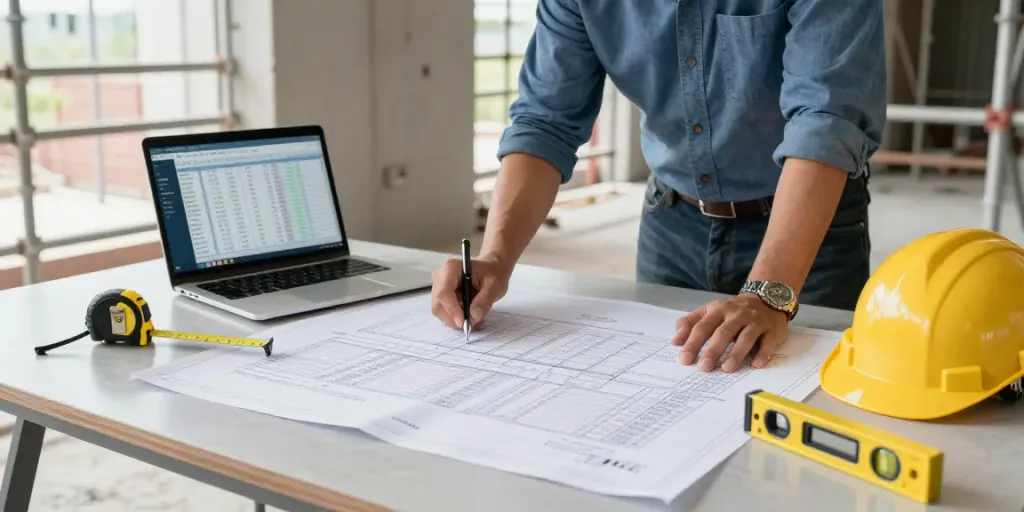
Understanding Construction Cost Planning
In the complex landscape of construction, effective cost planning is paramount for the success of any project. Construction cost planning encompasses the processes involved in estimating, budgeting, and controlling costs to ensure that projects remain profitable and on track. Engaging in construction cost planning not only mitigates financial risks but also provides a clear roadmap for project execution, making it a fundamental aspect of the construction industry.
What is Construction Cost Planning?
Construction cost planning is the systematic approach to forecasting and managing the financial resources needed for a project. It involves several key activities, including the creation of cost estimates, budgets, and financial reports, all tailored to guide the project from conception through to completion. A well-executed cost plan allows stakeholders to make informed decisions, allocate resources efficiently, and avoid budget overruns.
Importance of Accurate Cost Projections
Accurate cost projections form the backbone of any successful construction project. They facilitate better decision-making, allowing project managers to anticipate financial needs and challenges early on. When cost estimates are precise, it enhances transparency with investors and clients, fostering trust and enabling smoother negotiations. Moreover, accurate projections help maintain compliance with regulations and standards, further safeguarding the project's integrity.
Common Pitfalls in Cost Planning and How to Avoid Them
- Overlooking Contingencies: Failing to allocate funds for unexpected expenses can jeopardize a project's viability. It's essential to include a contingency budget to cover unforeseen costs.
- Inadequate Research: Relying on outdated or incomplete information can skew estimates. Continuous market research and trend analysis are vital for developing realistic budgets.
- Poor Communication: Ineffective communication among stakeholders can lead to misinterpretations of financial expectations. Regular updates and collaborative planning are crucial.
The Role of Quantity Surveyors in Cost Planning
Quantity surveyors (QSing) play an integral role in construction cost planning, providing expertise that ensures financial prudence throughout a project's lifecycle. Their skills range from drafting detailed cost estimates to conducting financial assessments, all aimed at enhancing project profitability.
How Quantity Surveyors Influence Project Budgets
Quantity surveyors influence project budgets by leveraging their expertise in cost analysis and procurement strategies. They assess all project components and provide accurate, itemized estimates that form the basis for the overall budget. Additionally, QSing helps in identifying potential cost savings and value engineering opportunities that enhance budget efficiency.
Best Practices for Engaging Quantity Surveyors
- Define Clear Objectives: Before hiring, outline specific project goals to ensure that the quantity surveyor's expertise aligns with your needs.
- Review Past Work: Examine case studies and client testimonials to assess the surveyor's capability in similar projects.
- Establish Open Communication: Maintain a clear line of communication to facilitate collaborative discussions and timely updates throughout the project.
Case Studies Demonstrating Effective Cost Management
Real-life examples underscore the value of quantity surveyors in ensuring effective cost management. For instance, a large commercial project in London benefited from the expertise of a quantity surveyor who implemented value engineering techniques leading to a 20% reduction in costs without compromising quality. Another case involved a residential refurbishment project where accurate forecasts prevented budget overruns by identifying potential risks early in the planning phase.
Strategies for Effective Cost Control
Ensuring that a construction project stays within budget requires a combination of strategic planning and vigilant monitoring. By implementing robust cost control measures, stakeholders can safeguard their financial investments.
Methods for Keeping Projects on Budget
- Regular Financial Reviews: Frequent assessments of financial reports help in tracking expenses against the budget, allowing for timely adjustments.
- Implementing Milestone Payments: Structuring payments based on project milestones ensures that financial resources are aligned with progress.
- Cost-Benefit Analyses: Conduct analyses to evaluate the implications of significant expenditures before approvals, ensuring that all costs are justified.
Leveraging Technology in Cost Planning
Modern technology offers construction professionals tools that enhance their cost planning and management capabilities. Software solutions like Building Information Modelling (BIM) and project management applications streamline estimating and budgeting processes, allowing for real-time adjustments based on project developments. The integration of artificial intelligence in cost estimation tools further increases accuracy by analysing historical data and market trends.
How to Monitor and Adjust Costs Throughout Project Lifespan
Cost monitoring should be an ongoing process. Establish key performance indicators (KPIs) to evaluate financial health and allow for swift remedial actions if discrepancies arise. Regular updates of the cost plan should be made to reflect changes in project scope, pricing, and market conditions, keeping all stakeholders informed.
Future Trends in Construction Cost Planning for 2026
As the construction industry evolves, so too does cost planning. Staying ahead of trends is essential for project success in a dynamic market environment.
Emerging Technologies Impacting Cost Estimation
Emerging technologies, including predictive analytics and advanced materials, are transforming cost estimation methodologies. These technologies allow for better forecasting by utilising data-driven analytics to assess potential costs based on real-time market conditions.
Predicted Changes in Building Regulations and Their Cost Implications
With the UK government’s commitment to sustainable development, upcoming legislation is likely to impose stricter regulations on energy efficiency and environmental impact. Compliance will necessitate adjustments in cost planning as projects will require additional investments in green technologies.
Preparing for Economic Fluctuations in Project Budgets
The construction industry must remain resilient amid economic fluctuations. Setting flexible budgets that can adapt to changing economic indicators — such as inflation rates and material costs — will be crucial in navigating potential financial pitfalls as they arise.
Frequently Asked Questions about Construction Cost Planning
What key elements should be included in a cost plan?
A comprehensive cost plan should include project scope, detailed breakdowns of materials, labour costs, overheads, and contingency allowances. It should also outline payment schedules, timelines, and risk management strategies.
How can I ensure my construction project remains profitable?
To keep a construction project profitable, establish a realistic budget, incorporate thorough cost monitoring, engage competent quantity surveyors, and maintain open lines of communication among all stakeholders.
What are the advantages of using digital tools for cost planning?
Digital tools enhance accuracy in cost estimation, streamline communication, and allow for real-time tracking of expenses, ultimately driving efficiencies in project management.
How do I select the right quantity surveyor for my project?
Look for a quantity surveyor with relevant experience, strong references, and a proven track record of successful project management. Ensure their approach aligns with your project goals and expectations.
What are the typical costs associated with hiring a quantity surveyor?
Hiring a quantity surveyor typically incurs costs based on their experience and the project's scale. Fees may range from a few hundred to several thousand pounds, often contingent on the complexity and length of the engagement.